
Laminitis is one of the most serious conditions in the horse world — painful, acute and something every horse owner should be able to recognise. But laminitis is also highly preventable, and the key almost always lies in diet and grazing. Here is the knowledge you need.
What is laminitis?
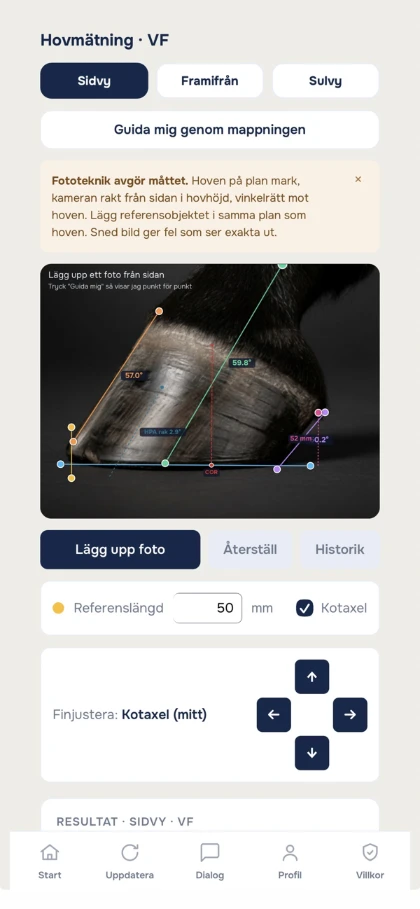
Laminitis is inflammation of the hoof laminae — the structures that anchor the coffin bone inside the hoof capsule. When the laminae are damaged, the coffin bone can in the worst case rotate or sink. It is extremely painful and always an acute veterinary emergency.
Recognise the signs — time is everything
Classic signs are the typical laminitic stance with front legs stretched forward to unload the toes, a stiff, reluctant gait (as if walking on needles, especially on hard ground), heat in the hooves and a strong digital pulse. At the slightest suspicion: call your vet immediately — early intervention decides the prognosis.
Why does laminitis occur?
The most common route is through the diet: large amounts of sugar and starch — above all from fast-growing spring pasture, frost-nipped autumn grass or over-feeding of concentrates — disturb the bacterial flora of the hindgut and trigger a chain reaction that reaches the laminae. Overweight horses and horses with metabolic disorders such as EMS or PPID are at greatly increased risk. Foaling, certain illnesses and prolonged overload of one leg can also trigger laminitis.
Prevent through diet and grazing
1. Manage body condition — obesity is the single biggest modifiable risk factor; learn body condition scoring and act in time.
2. Respect spring pasture — introduce grazing gradually over a couple of weeks, limit grazing time for easy keepers and avoid the hours when grass sugar peaks (sunny afternoons, and frosty nights followed by sun).
3. Forage as the base — let analysed hay or haylage with moderate energy content form the foundation, and minimise starchy concentrates for horses that do not need them.
4. Risk horses — easy-keeper breeds, horses with EMS/PPID or previous laminitis history need a stricter grazing strategy: grazing muzzle, strip grazing or track systems with forage stations.
5. Movement every day — daily activity supports both metabolism and hoof circulation.
If it happens
Call the vet immediately, remove the horse from pasture, stand it on soft ground and avoid all unnecessary movement while waiting for help. Then follow the veterinary plan carefully — laminitis often requires long rehabilitation with vet and farrier working together.
This guide is general knowledge and does not replace veterinary assessment. Laminitis is always an acute veterinary emergency.