
The horse’s gut is built for one thing: the same feed, all the time. Yet most horses change feed several times a year — a new hay delivery, spring turnout, autumn stabling, a new concentrate. Here is how to make every feed change gentle on the gut.
Why are feed changes sensitive?
The horse’s hindgut is a fermentation chamber where billions of microorganisms are specialised in exactly the feed the horse eats today. Change the feed quickly and the flora cannot adapt in time — the result can be anything from loose droppings and gas to colic risk. The microbes need time, and time is the whole secret.
The basic rule: 2–3 weeks
All feed changes — even between two hay batches — are made gradually over 10–21 days. Mix an increasing share of new feed into the old: start with about a quarter new, increase to half after a few days, three quarters after a few more, and switch fully only once droppings have been stable throughout.
The most common changes — and their pitfalls
New hay delivery: Always save a few bales of the old batch for mixing. Two hay batches can differ more nutritionally than hay and haylage do.
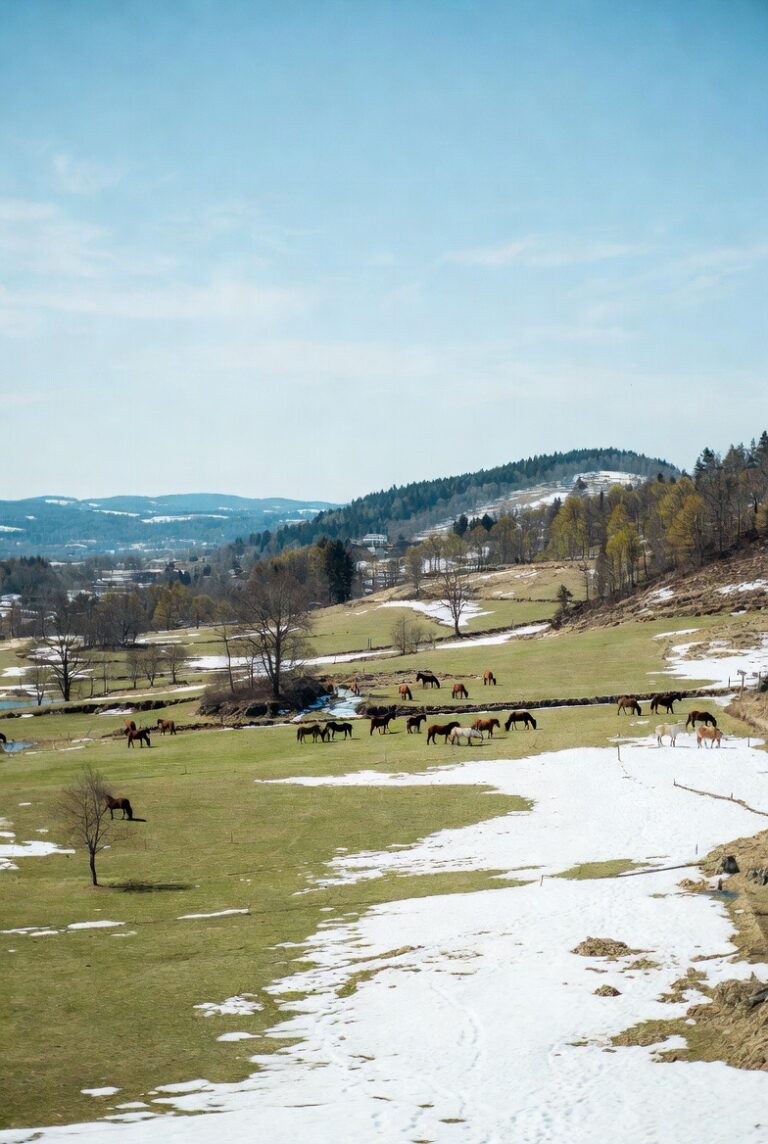
Spring turnout: The biggest change of all — from conserved forage to water-rich, sugar-rich grass. Start with short grazing sessions (30–60 min) and increase gradually over 2–3 weeks. Also read our laminitis guide.
Autumn stabling: The same process in reverse — give the gut time to shift from grass to hay.
New concentrate: Introduce in small portions and split the daily ration into several meals; starch in large meals is the hindgut’s worst enemy.
Read your horse’s receipts
The droppings are your daily report: consistency, smell and frequency tell you how the transition is being received. Loose droppings, free fecal water or gassiness are signs to slow down. Some owners also give extra support for normal gastrointestinal function during transition periods.
Contact your veterinarian at signs of colic (rolling, kicking at the belly, repeated lying down), persistent diarrhoea or if the horse stops eating — gut problems in horses should always be taken seriously.
Everyday gut support
In our supplement range you will find Total Support — a feed complement based on natural zeolite, developed in consultation with a veterinarian, used to support normal gastrointestinal function.
This guide is general knowledge and does not replace your veterinarian’s assessment of your horse.