
Taking your horse from shod to barefoot is one of the best long-term investments you can make in hoof health — but the transition is a process that requires patience, planning and the right protection along the way. Here is the path we recommend.
Why barefoot?
An unshod hoof gets to work the way it was built: the frog is loaded, the hoof mechanism pumps blood through the hoof with every step, and the horn wears and grows in natural balance. Many horses develop tougher, healthier hooves over time — but the road there goes through a transition period where the hoof builds up what the shoe used to compensate for.
Expect a transition period
When the shoes come off, the sole, frog and horn capsule need time to strengthen — often several months, sometimes up to a year for full toughness on rough ground. During that time the horse may be short-strided on stone and gravel. That is normal and no reason to give up — but it is exactly here that the right protection makes all the difference.
How to succeed
1. Plan with your trimmer — choose a farrier or trimmer with barefoot experience and set up a plan with short trimming intervals at first.
2. Boots when riding — hoof boots protect the sole on gravel and stone while the hoof builds toughness, letting you keep training through the whole transition.
3. Pads for extra comfort — soft pads in the boots, or glued barefoot pads for horses that need protection in the paddock too, unload the sole around the clock.
4. Movement on varied ground — progressive exposure to different surfaces is the training itself; start soft and increase gradually.
5. Support from within — hoof growth needs the right building blocks; balanced mineral supply supports normal horn quality.
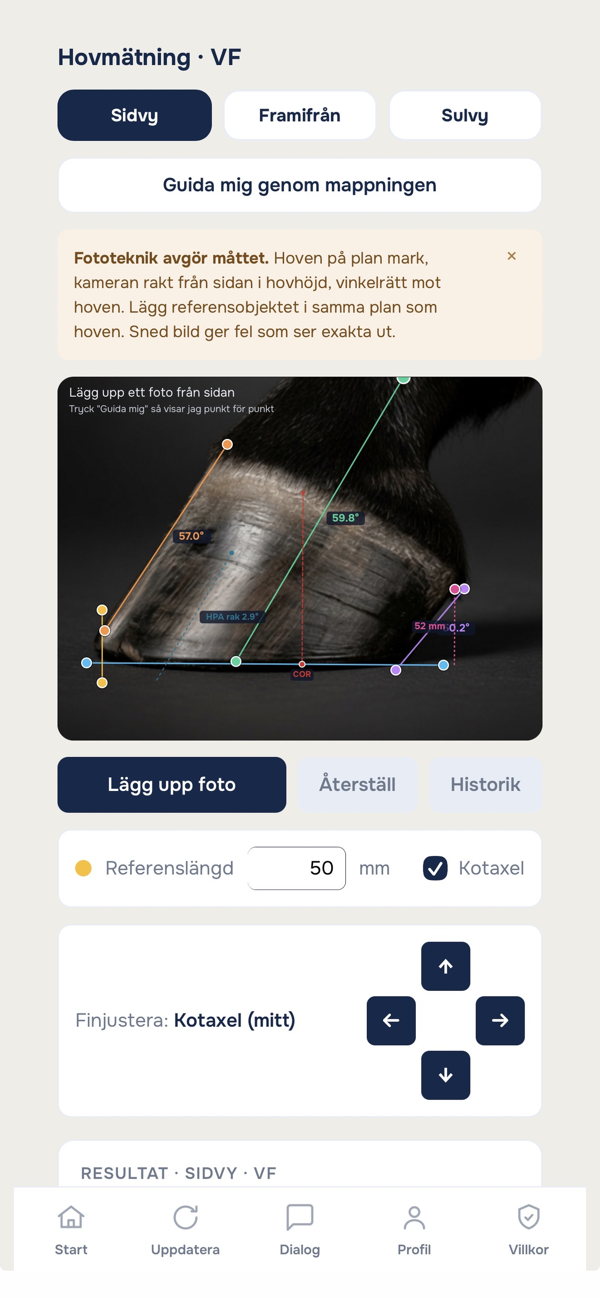
6. Track the hoof — photograph the hooves monthly and follow the development together with your trimmer.
When to pause and ask?
Persistent lameness, heat with a strong digital pulse or rapid worsening are signals to involve your farrier or veterinarian right away. A well-planned transition should challenge the hoof — not harm it.
Protection for the transition
In our hoof care range you will find protection for the transition: Glue On Barefoot Pads, soft SoftStep pads and Sole Protect — our biodegradable sole protection giving hoof-like relief when the hoof needs it most. For boots in all sizes, visit our colleagues at scootboots.se.
This guide is general knowledge and does not replace your farrier’s or veterinarian’s assessment of your horse.