A correctly sized Scoot Boot is the starting point, not the finish line. The manufacturer’s recommended fit is your reference – the benchmark – that you work from as you adapt the boot to the individual hoof, horse and its way of moving.
What does an optimal fit look like?
- The boot sits snugly around the entire hoof wall.
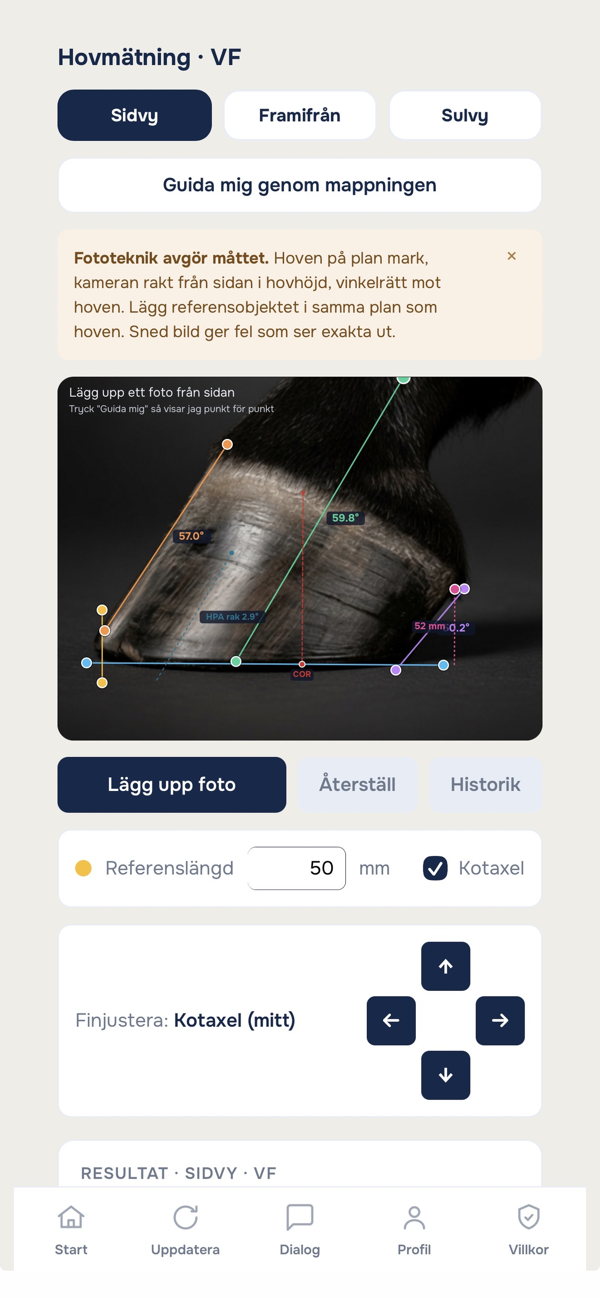
- There is a small gap at the front of about 6–8 mm when the front straps are closed – the size depends on the shape of the hoof wall. A more V-shaped gap indicates a steep or bull-nosed hoof wall.
- The boot does not rotate or move when you wiggle it by hand.
- The rear captivator rests against the heel bulbs without pressing – you should fit a finger between the captivator and the skin.
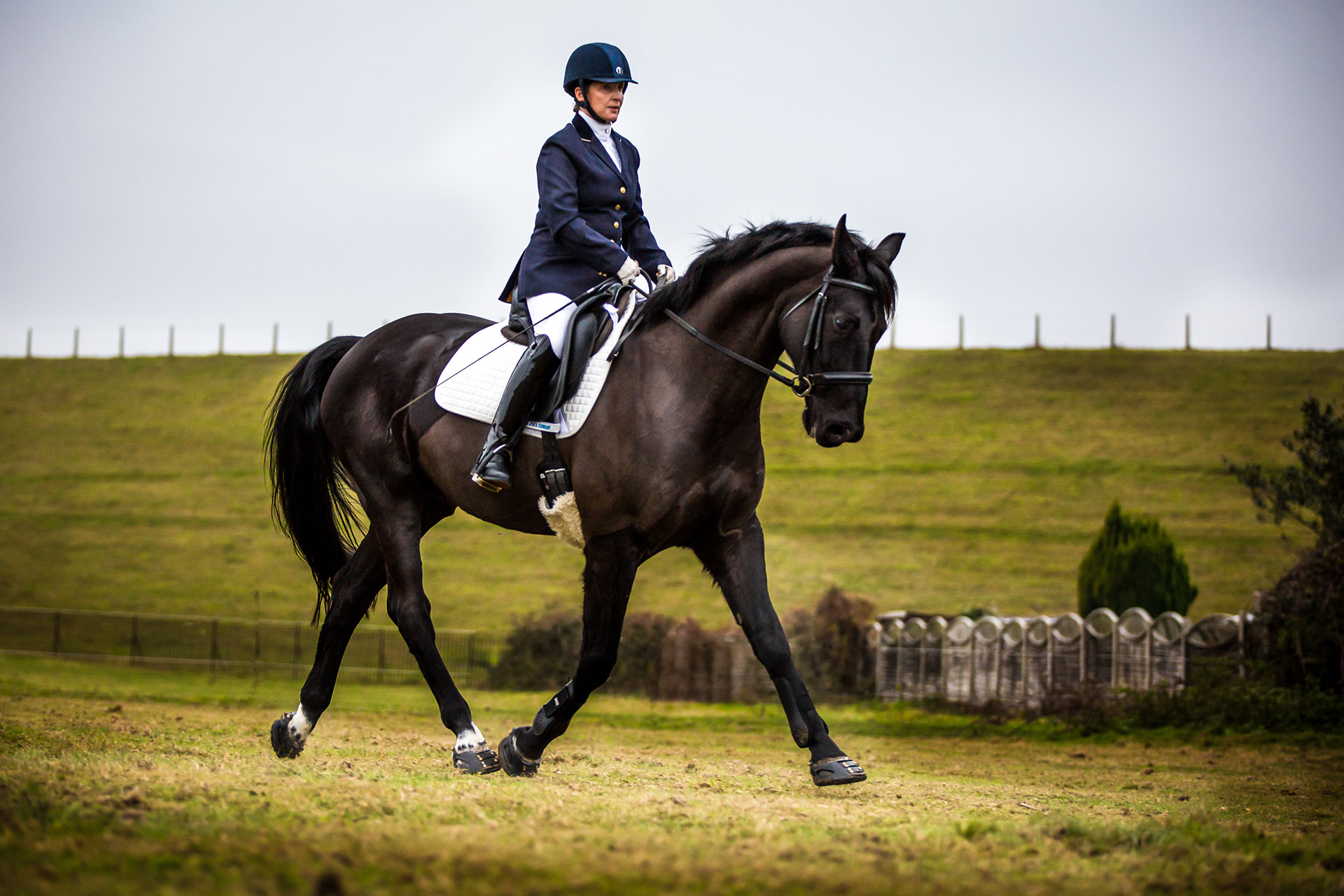
Once the basics are right the real work begins: harmonising the boot with the movement so it neither twists nor rubs when the horse is working. That is the difference between taking a boot out of the bag and onto the horse and truly optimising it.