January and February can be trying months for both horse and rider. The fluctuation between freezing temperatures and wet snow creates challenges for everything from hoof quality to digestion. But with the right strategies, we can not only get through the winter but ensure the horse is in top form when the spring sun finally peeks through.
Here are our three most important focus areas for a healthy winter horse.
1. Mud fever and scratches: The battle against moisture
When pastures turn into mud baths, the horse’s pasterns are exposed to constant moisture and bacteria. This is peak season for mud fever.
- Prevention: Avoid hosing legs every day if you don’t have time to dry properly. It is often better to let the mud dry and then gently brush it off.
- Environment: Ensure your horse has dry and hygienic places in the pasture. Especially at shelter areas, feeding stations, and water sources.
- Strengthen from within: The skin’s resilience starts in the gut. A balanced microflora helps the immune system handle external attacks.
- Tip: Use products that create a protective barrier without trapping moisture. We have developed mild antiseptics, pH-lowering sprays, and ointments specifically for mud fever to help your horse in the absolute best way. Our EQUNIQUE® Total Support is a fantastic mineral supplement to support the body’s natural detoxification processes, contributing to a strengthened immune system and often more resilient skin.
2. Water intake and “Winter colic”
Did you know that the risk of colic increases significantly when the temperature drops? Many horses drink too little when the water is ice-cold, while simultaneously eating more dry forage to keep warm.
3. Mental stimulation and hoof care on frozen ground
When the ground is rutted and hard, horses often move less in the paddock to avoid pain or slipping. This negatively affects circulation in the hooves.
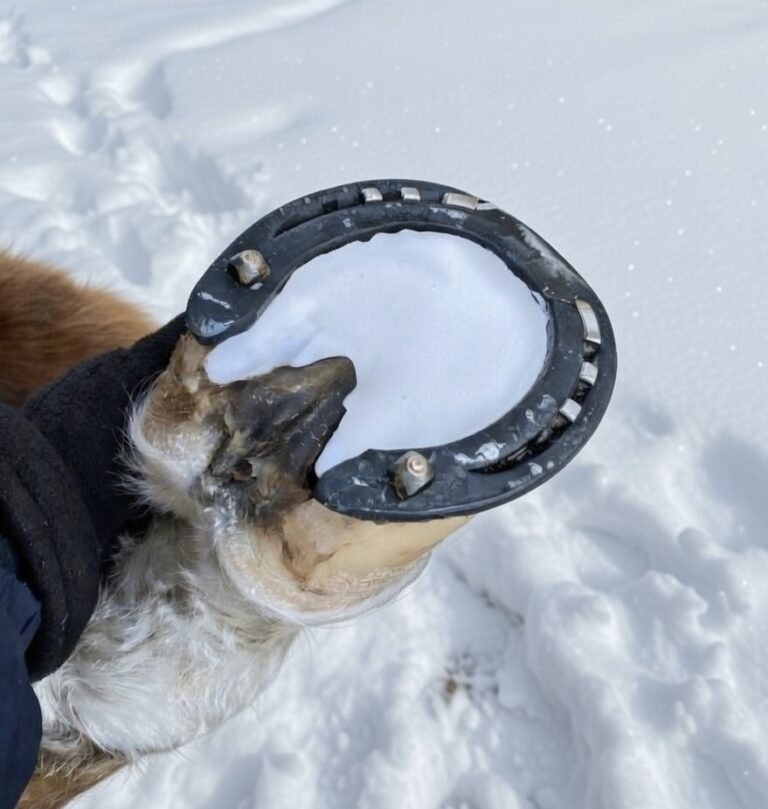
- Hoof health: The frozen ground is hard, slippery, and uneven. Barefoot horses may need boots with studs or spikes when riding or in the paddock during the worst days. Ensure your horse is not sore or uncomfortable in their hooves against the surface, which can lead to tension in the body and reduced movement.
- Enrichment in the box: Longer nights indoors require mental activation. Instead of just putting the hay in a pile on the box floor, lift it off the ground with a net, which contributes to longer eating times and more hygienic feed. Another tip is to use the EQUNIQUE® Activation Mat. It prolongs eating time, encourages foraging behavior, and reduces stress-related behaviors.
Weekly checklist for your horse:
- Check the pasterns: Do they feel warm or crusty?
- Check the water bucket: How much has the horse actually drunk during the night?
- Feel the hooves: Are they even in temperature or is there a digital pulse?
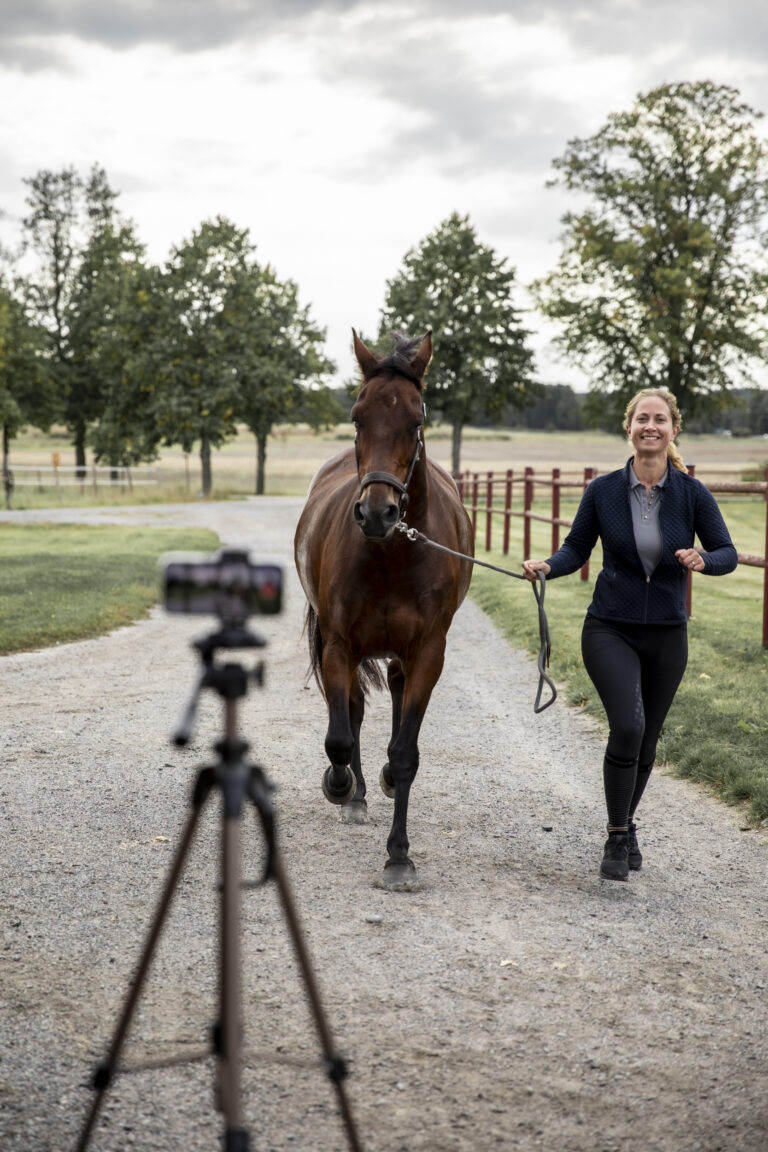
- Observe your horse’s movement pattern: Does it look tense? Are the steps shorter?
We at EQUNIQUE are here for you. Visit our webshop to see our selected products for hoof care, skin care, and enrichment.
Together we make winter a little easier – for both you and your horse – Team EQ