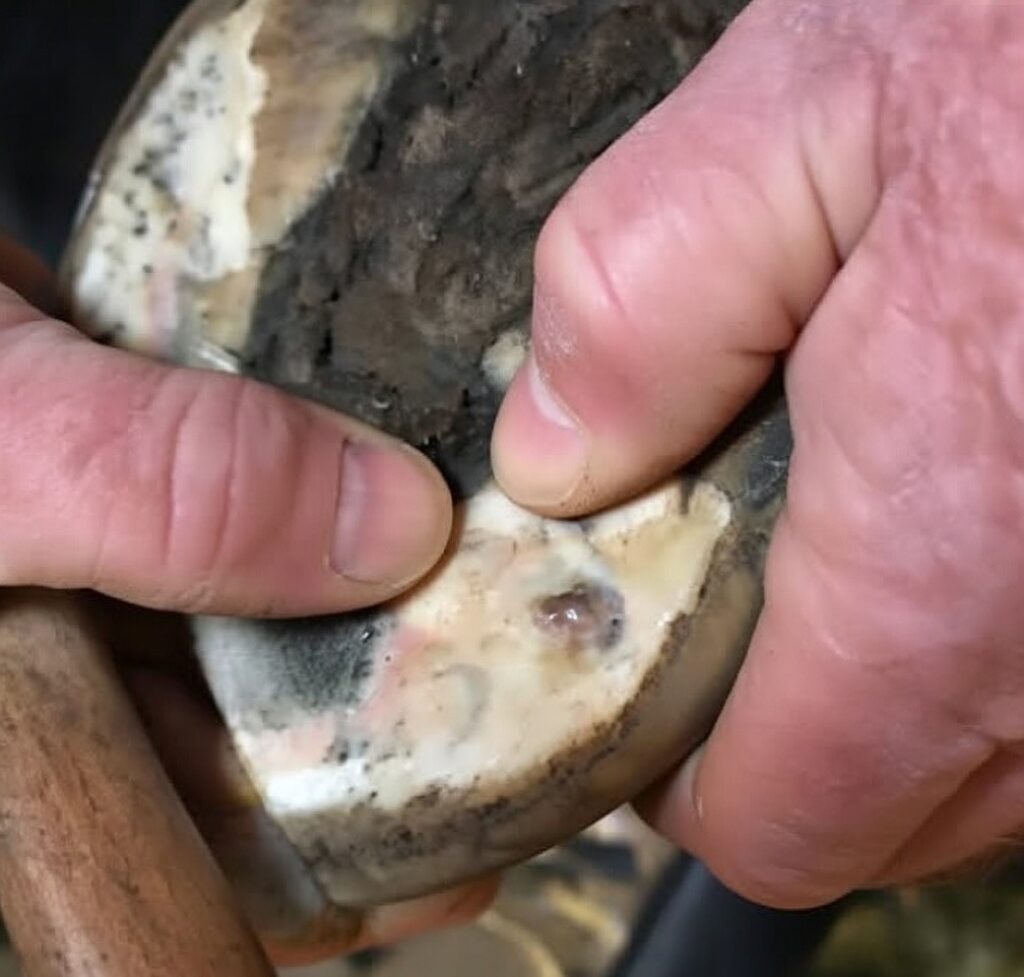
What is a hoof abscess? A hoof abscess is an infection trapped inside the hoof capsule. Pressure builds up, causing pain—sometimes severe, sometimes “comes and goes.”
Common signs to watch for
- Sudden lameness
- Warm hoof / stronger digital pulse
- Sensitivity to hoof testers or on hard/gravel surfaces
- A crack in the white line, small puncture, or bruising history
- Later: drainage at the sole, white line, or coronet band
Why they happen (often)
- Tiny openings: white line separation, cracks, nail holes
- Softened hoof from wet conditions → easier entry for bacteria
- Long toes/imbalances → extra leverage → micro-separation
- Bruising from hard ground or sudden workload changes
Prevention: hoof care + gait awareness (your best combo)
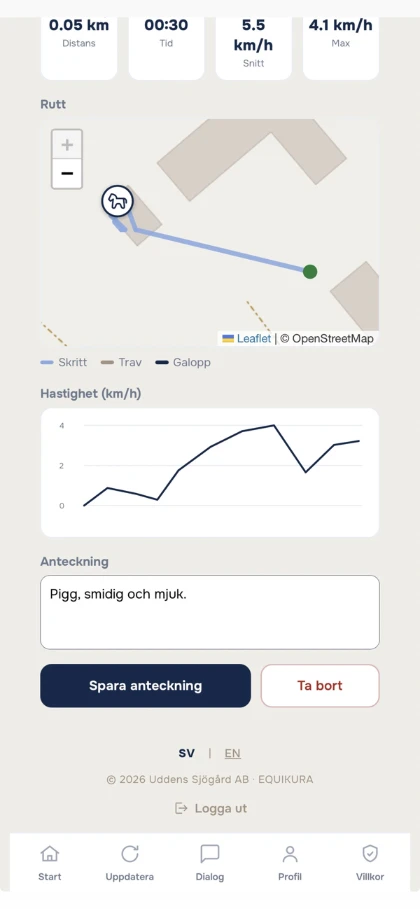
1) Use “everyday gait analysis”+ monthly Gait analyzis using sleip
Make it a habit to observe your horse regularly:
- Walk straight on hard, even ground: Is the stride equally long on both sides? Any head nod?
- Turn in small circles: Does your horse shorten one step or resist turning one direction?
- Track changes after trimming/shoeing: New tenderness on gravel or hard ground can be a clue.
- Note patterns: “Only sore on stones” or “worse after rain” often points to sole/white line vulnerability.
- Monthly gait analysis with Sleip.
Small changes are easier to spot over time.
2) Maintain a balanced trim schedule
Regular, appropriate trimming helps prevent leverage and separation. Talk with your farrier/trimmer about:
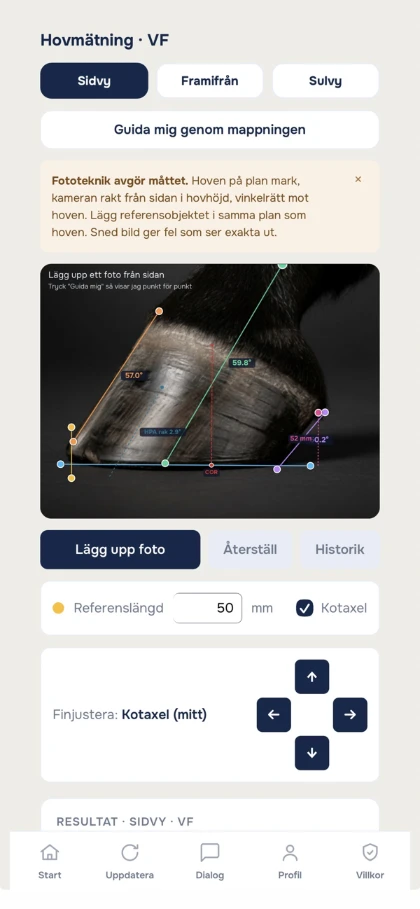
- Toe length and breakover
- Heel support and overall balance
- Addressing flares and white line stretching early
3) Daily hoof hygiene (especially in wet seasons)
- Pick out hooves daily
- Check the frog, white line, and sole for smell, soft spots, or gaps
- Avoid standing in wet, dirty areas for long periods—create a dry spot in the pasture where the feeding station and water is placed
4) Manage terrain + transitions
- Gradually introduce harder ground or increased workload
- If your horse is barefoot and gets tender on gravel, consider temporary protection (boots/pads) during transitions
If you suspect an abscess
Don’t push exercise. Keep the hoof clean and dry, and contact your farrier + vet for guidance—especially if there’s swelling up the leg, fever, or the lameness is extreme.
Notice what’s your horse’s “early warning sign” before a hoof issue—shorter stride, reluctance on gravel, or something else?
Explore our hoof care segment here.